
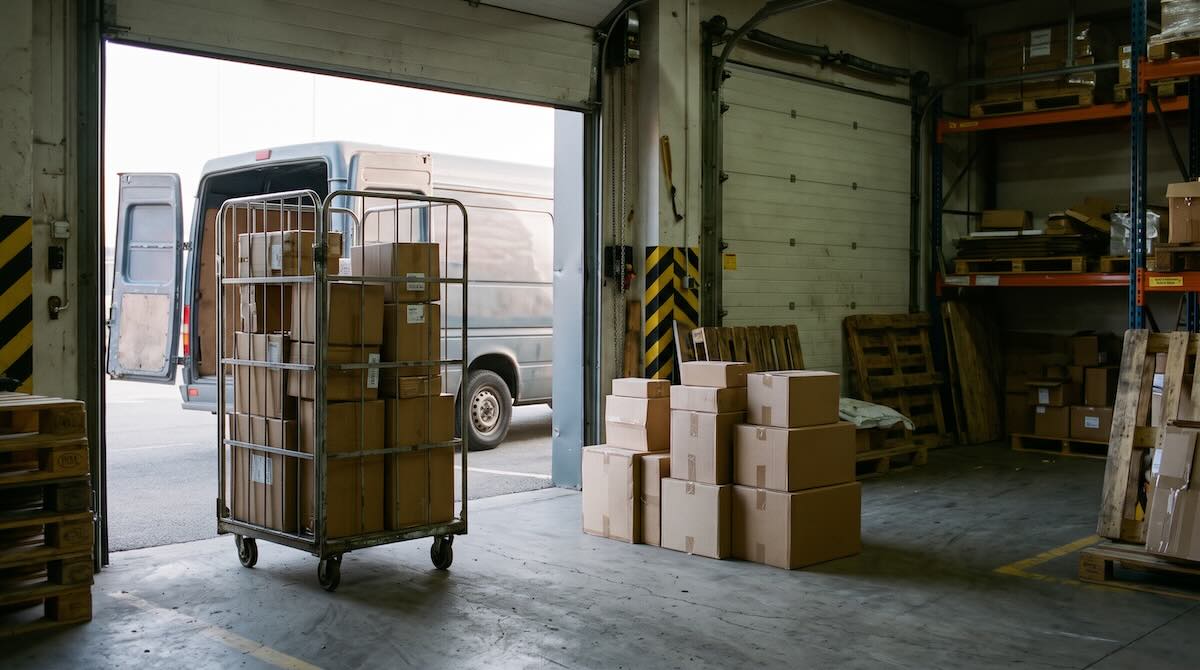
A distributor can generate a shipping label within minutes and still miss the day’s carrier pickup. The order may be waiting for its final item, a packing decision, or someone to resolve a discrepancy before the carton reaches dispatch. When delivery falls behind, the customer experiences one delay, even though several different problems may have contributed to it. Reducing shipping delays starts with understanding where the order lost time and which decisions the business could have made differently.
Connected inventory and shipping systems can remove administrative work, while multiple warehouses can provide more fulfillment options. Those capabilities become valuable when they help the business meet a realistic delivery commitment. The nearest warehouse may be behind schedule, and the lowest shipping rate may be attached to a service that cannot meet the customer’s needs. Reliable shipping requires a decision that considers stock readiness, warehouse capacity, carrier availability, and the cost of the alternatives together.
Where Orders Lose Time Before Carrier Pickup
Consider a distributor with warehouses in Tennessee and Nevada that receives an order from a customer in Arizona. Nevada is closer and shows enough inventory, so the order is assigned there. Some units, however, remain in receiving and are not ready to pick. By the time employees locate the stock, complete the order, and prepare the carton, the optimal pickup window has closed. The package now waits until the next collection, losing time before its journey begins.
Tennessee might have had the complete order ready to ship that afternoon. Depending on the available carrier services and delivery estimates, dispatching from farther away could have met the customer’s deadline more reliably. Distance alone would not reveal that choice, nor would a stock balance that failed to distinguish goods on hand from goods ready for fulfillment. The relevant comparison is when each facility can hand over a complete shipment and what delivery service is available from that point. That connects the routing decision to the customer’s requirement.
Management needs enough visibility to distinguish delays before pickup from those occurring in transit. Otherwise, the business may pay for expedited service while leaving the receiving, picking, or packing issue unchanged. It may also judge carrier performance against a shipment date that reflects label creation rather than physical handoff. Understanding when the order became ready and when the carrier accepted it provides a firmer basis for correcting the problem. It also helps customer service explain the status without repeatedly asking the warehouse to reconstruct events.
Connected Fulfillment Should Improve Dispatch Readiness
When inventory and shipping platforms operate separately, employees may re-enter addresses, package details, and order references before producing labels, then copy tracking information back into another system. A supported connection to a shipping platform such as ShipStation can reduce that duplicate handling and the errors it introduces. For an order already picked and packed, removing those steps may make the difference between reaching dispatch before pickup and waiting another day. The business benefit is more completed shipments ready for collection, supported by consistent information across the systems employees use.
That improvement depends on the work arriving at the shipping stage in a usable condition. If the order is missing an item or employees are uncertain whether a partial shipment is authorized, faster label production leaves the central issue unresolved. In the Nevada example, the greater opportunity is making stock available for picking and resolving exceptions before the dispatch deadline. The integration should support a clear handoff between order fulfillment and shipping, including visibility into what still requires attention. Otherwise, administrative speed can improve while physical departures remain late.
Customer notifications should reflect those operational milestones accurately. A tracking number can indicate that shipment preparation has begun, while carrier acceptance indicates that the package has entered the delivery process. Making that distinction clear helps set expectations and gives customer service a useful basis for identifying exceptions. Management can then assess whether connected fulfillment is shortening the time from order readiness to carrier handoff. That measure is more revealing than how quickly the system produces a label.
Choose the Warehouse That Can Meet the Delivery Commitment
For a business with multiple facilities, routing should account for what each location can actually accomplish before the required dispatch time. Available stock, packing capacity, pickup schedules, and suitable carrier services all affect the choice. A nearby warehouse with a backlog may be less dependable than a farther facility that can ship immediately. Automatic routing can support that decision where the system or connected platform allows the relevant rules, but the rules need to reflect the business’s priorities. Proximity is useful information within that decision, rather than a sufficient answer on its own.
Carrier strain adds another constraint. If pickups are limited or a service is taking longer than expected, sending an order from the usual origin may no longer support the delivery promise. Another warehouse may provide a workable alternative, although moving the order cannot guarantee that it avoids congestion elsewhere in the network. The business needs to compare current options before committing to a date, using the carrier information and service availability it can reasonably verify. When no available option supports the requested deadline, an early conversation with the customer is more useful than an unsupported promise.
The comparison also needs to include the full cost of fulfillment. Nevada might be able to ship part of the order immediately, while Tennessee can send everything in one carton. Splitting the order adds handling and freight, but it may be justified if the first delivery allows the customer to complete an urgent repair. In another case, sending the complete order from Tennessee may meet the requirement at a lower total cost than two shipments or an expedited service from Nevada. The appropriate choice depends on the consequence of delay, the customer’s priorities, and the margin available to support the response.
Bottom Line
Shipping performance improves when the business connects its delivery promises to stock that is ready, warehouse capacity that is available, and a carrier service capable of supporting the commitment. Integrated fulfillment can reduce the work between packing and dispatch, while informed routing can make better use of multiple locations. Management should judge those capabilities by shipments handed over on schedule and commitments met, with enough visibility to distinguish internal delays from carrier performance.
Mariner Consulting Group helps manufacturers and distributors evaluate the inventory information, fulfillment handoffs, and system connections behind shipping decisions. If orders receive tracking numbers promptly but still leave late, or the closest warehouse repeatedly fails to deliver the expected advantage, Mariner can help identify where the process needs to change.

Leave a Reply