
Inventory Software and the Future of Smarter Inventory Management
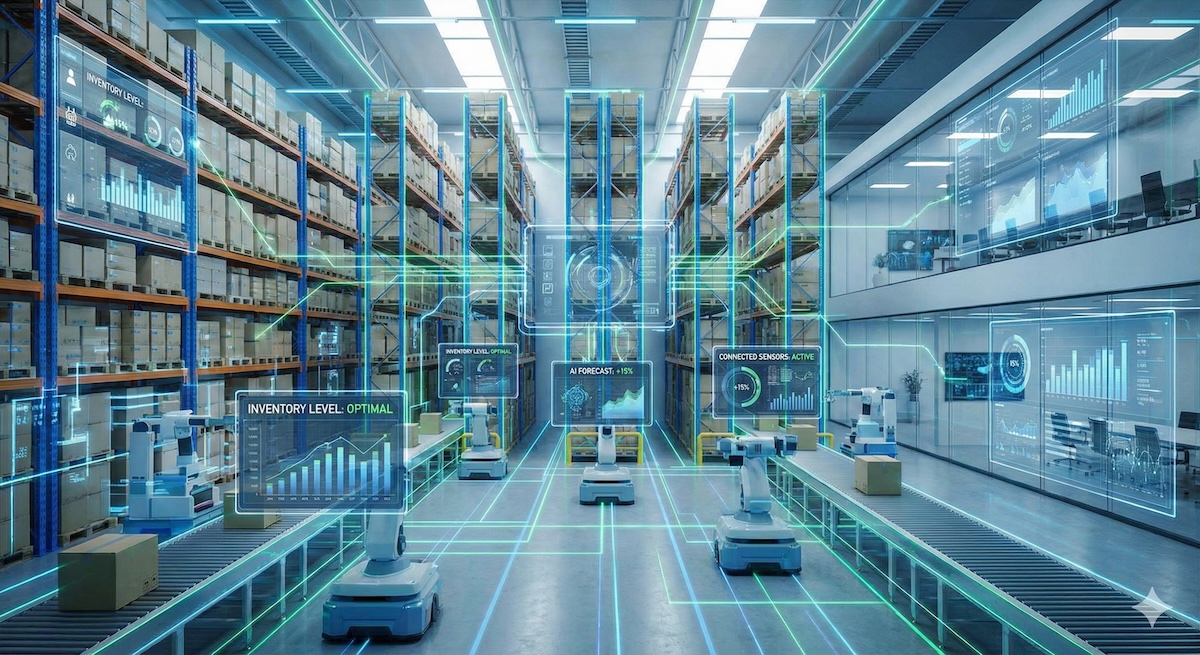
Inventory software is entering a new era. What was once a back-office system for counting stock and generating reorder reports is now becoming an intelligent, connected, and predictive engine for business growth. Powered by artificial intelligence, IoT-enabled sensors, and advanced analytics, modern inventory software is evolving from reactive record-keeping into proactive decision support.
For businesses of all sizes, especially small and mid-sized organizations, this shift is not theoretical or years away. It is already happening. Companies that understand these changes and plan accordingly will gain efficiency, resilience, and a competitive advantage. Those that ignore them risk falling behind in accuracy, customer satisfaction, and profitability.
At Mariner Consulting Group, we help organizations modernize their operations with scalable technology choices. In this post, we explore where inventory software is headed, how AI and connected devices are reshaping inventory management, and what practical steps businesses can take today to future-proof their systems.
Table of Contents
The Evolution of Inventory Software
Traditional inventory software focused on visibility. It answered questions like how much stock is on hand, where it is located, and when it was last updated. While visibility is still essential, it is no longer enough.
Today’s inventory software is increasingly designed to answer forward-looking questions:
- What will customers need next month?
- Which products are at risk of stockouts?
- Where can excess inventory be reduced before it impacts cash flow?
These questions require intelligence, not just data storage. That is where AI, predictive analytics, and IoT technologies come into play.
Connected Sensors and the Rise of IoT in Inventory Software
One of the most significant trends shaping inventory software is the use of connected sensors through the Internet of Things. “IoT” devices can track inventory movement, condition, and location in real time.
Examples of connected sensor use include:
- RFID tags that automatically update stock levels as items move through warehouses
- Temperature and humidity sensors that protect perishable or regulated goods
- GPS tracking for high-value or in-transit inventory
When software integrates these sensors, data updates become continuous instead of manual. This reduces human error, improves accuracy, and allows teams to respond immediately to issues like misplaced inventory or spoilage risk.
For small businesses, IoT may sound expensive, but costs are decreasing rapidly. Many modern software platforms already support sensor integration, making adoption more accessible than ever.

Predictive Demand and Smarter Forecasting with AI
AI-driven forecasting is one of the most practical and impactful advances in inventory software today. Rather than relying solely on historical averages or static reorder points, AI models analyze patterns across multiple variables, including seasonality, promotions, lead times, and customer behavior.
Near-term uses of AI in software include:
- Demand forecasting that adjusts automatically as new data arrives
- Identification of slow-moving or obsolete inventory
- Early warnings for potential stockouts or overstock scenarios
Unlike traditional forecasting, AI improves over time. As inventory software processes more transactions and outcomes, its predictions become more accurate. This creates a feedback loop where planning decisions continuously improve.
In last week’s blog post, “The Shocking Cost of Stockouts: 7 Inventory Management Fixes That Win Back Customers,” we explored how stockouts directly impact revenue and loyalty. AI-powered forecasting directly addresses this challenge by helping businesses anticipate demand before customers feel the pain.

Automation and Intelligent Planning
Automation is another core trend shaping the future of inventory software. AI does not just predict outcomes. It can also recommend or trigger actions.
Common automation features include:
- Automatic replenishment suggestions based on predicted demand
- Supplier order creation when thresholds are reached
- Alerts for anomalies such as sudden demand spikes or supply delays
Some software platforms already support rule-based automation, while others are adding AI-driven decision engines that adapt to changing conditions. The result is less time spent on manual planning and more time focused on strategy and customer experience.
For lean teams, automation is not about replacing people. It is about freeing them from repetitive tasks so they can focus on higher-value work.
Why Small Businesses Should Not Ignore These Shifts
It is easy for small businesses to assume that advanced inventory software is only for large enterprises. That assumption is increasingly outdated.
Cloud-based platforms, subscription pricing, and modular features have lowered the barrier to entry. Many AI capabilities are now embedded into software by default, even at lower pricing tiers.
Ignoring these shifts can lead to:
- Higher carrying costs due to excess inventory
- Lost sales from preventable stockouts
- Reduced agility in responding to market changes
On the other hand, small businesses that adopt modern software gain access to the same intelligence once reserved for larger competitors. This levels the playing field and supports sustainable growth.
Future-Proofing Your Inventory Software Choice
Choosing inventory software today is no longer just about current needs. It is about preparing for what comes next.
To future-proof your investment, look for software that offers:
- Open integrations with IoT devices and external data sources
- Built-in or roadmap support for AI and predictive analytics
- Scalable architecture that grows with your business
- Strong data governance and security practices
It is also important to choose a partner, not just a product. Implementation, change management, and ongoing optimization matter as much as features. At Mariner Consulting Group, we help organizations evaluate inventory software through both a technical and strategic lens to ensure long-term value.
The Road Ahead for Inventory Software
The future of inventory software is intelligent, connected, and proactive. AI transforms raw data into insight. IoT sensors ensure that data is accurate and timely. Predictive analytics turn insight into action.
Businesses that embrace these capabilities will move from reacting to inventory problems to preventing them. They will serve customers better, operate more efficiently, and make decisions with confidence.
Inventory software is no longer just a system of record. It is becoming a system of intelligence.

This article was written by Kevin Lacey CPA/MBA, principle of Mariner Consulting Group, Inc. Too many small businesses are stuck with spreadsheets, the wrong software, or data without real insight, leading to reactive processes that drain cash. In my blog, I share practical inventory management strategies and financial insights to help business owners turn their operations into profit-driving systems.https://marinergrp.net/kevin-lacey-bio/

Leave a Reply